
Land Rover roof tents: the complete guide for Defender, Discovery and more
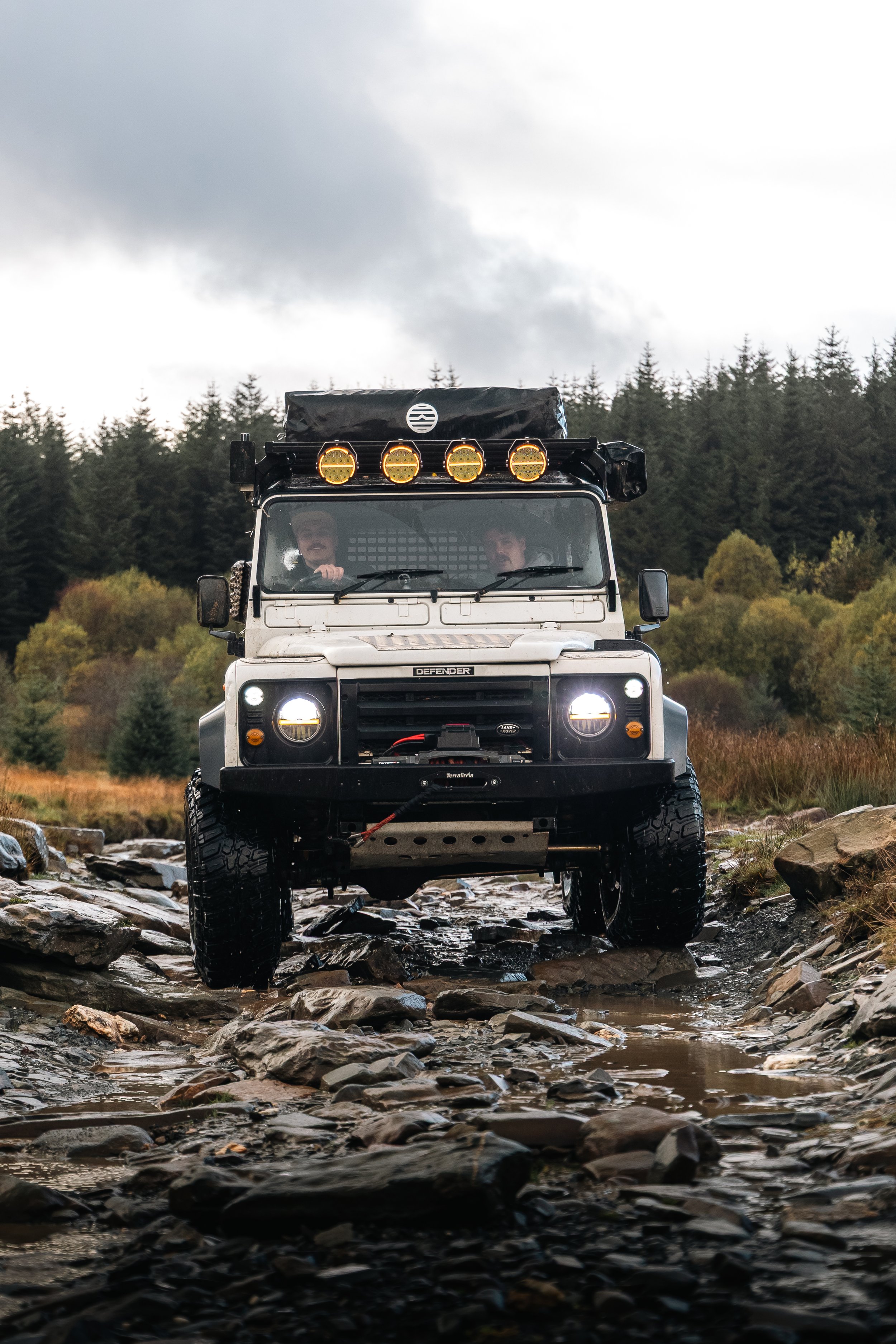
A Land Rover is one of the few vehicles genuinely built to get you somewhere a normal car cannot. Green lanes, fords, open hillside tracks a Land Rover will get you there.
The natural next step, once you have gone further than most people bother to, is staying there properly rather than turning round and driving home. That is what a roof tent gives you, a proper night's sleep exactly where the day's driving ended.
This guide is written for people who already know their vehicle. We are not going to explain what a roof tent is or try to sell you on the idea of camping. Instead we will go model by model through what actually fits a Defender, a Discovery, a Range Rover or a Freelander, explain roof load properly rather than waving at a vague number, cover hard shell versus soft shell for genuine overlanding use, and show how a rooftop tent and a vehicle specific awning work together as a full basecamp setup.
Which Land Rover models can take a roof tent?
The short answer is that all Land Rovers can, provided you fit the right roof bars/rack and check your dynamic roof load.
Your own dynamic roof load figure, taken from your handbook or confirmed with your dealer, is what actually decides which tent size you can run.
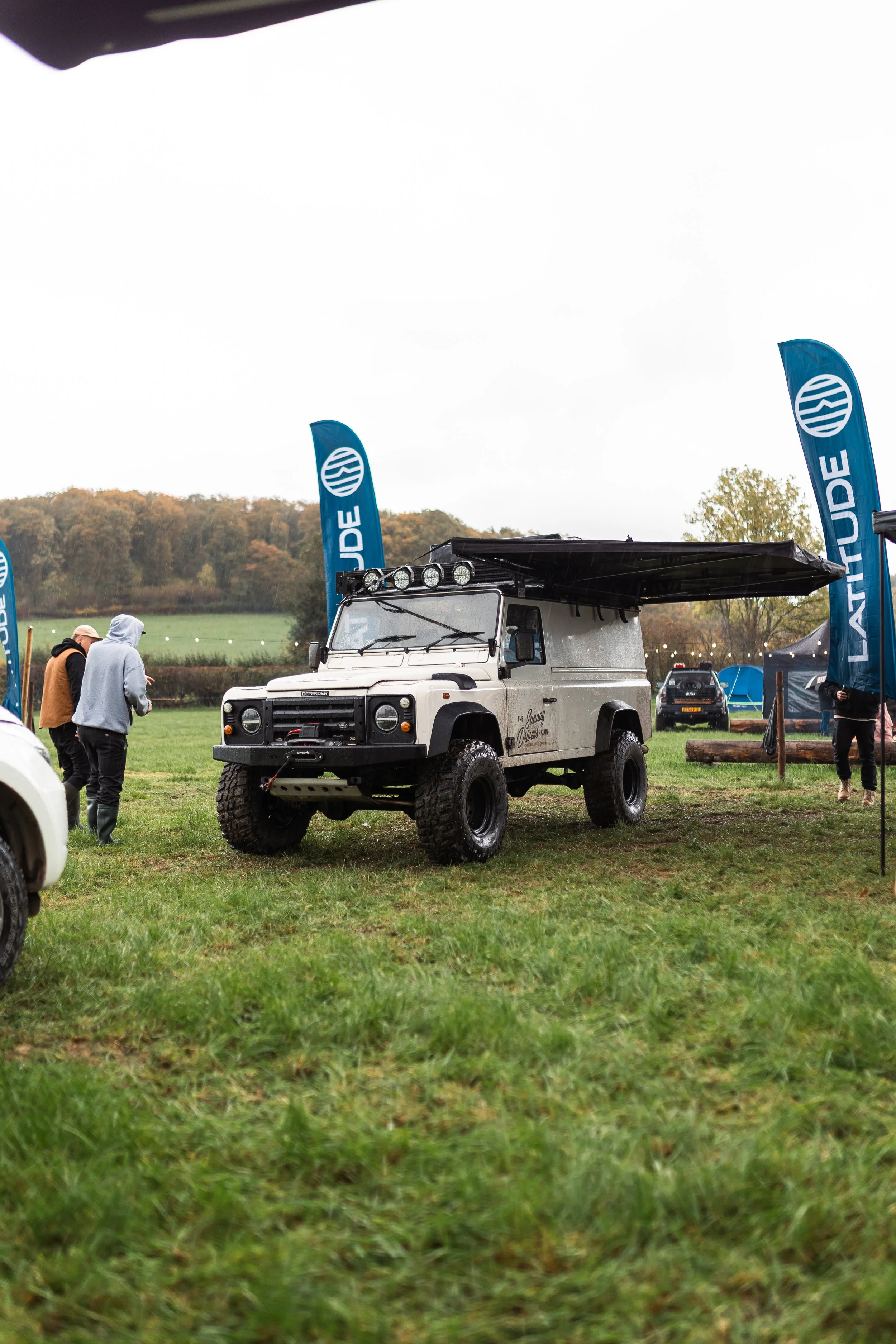
Defender (classic and new)
Classic Defender 90, 110 & 130: The ultimate classic overlanding platform. With a flat roof, tough body-on-frame construction and legendary go-anywhere capability, these Defenders are made for carrying your gear and heading well beyond the beaten track. Dynamic roof load limit: 75–100 kg.
Roof tent compatibility:
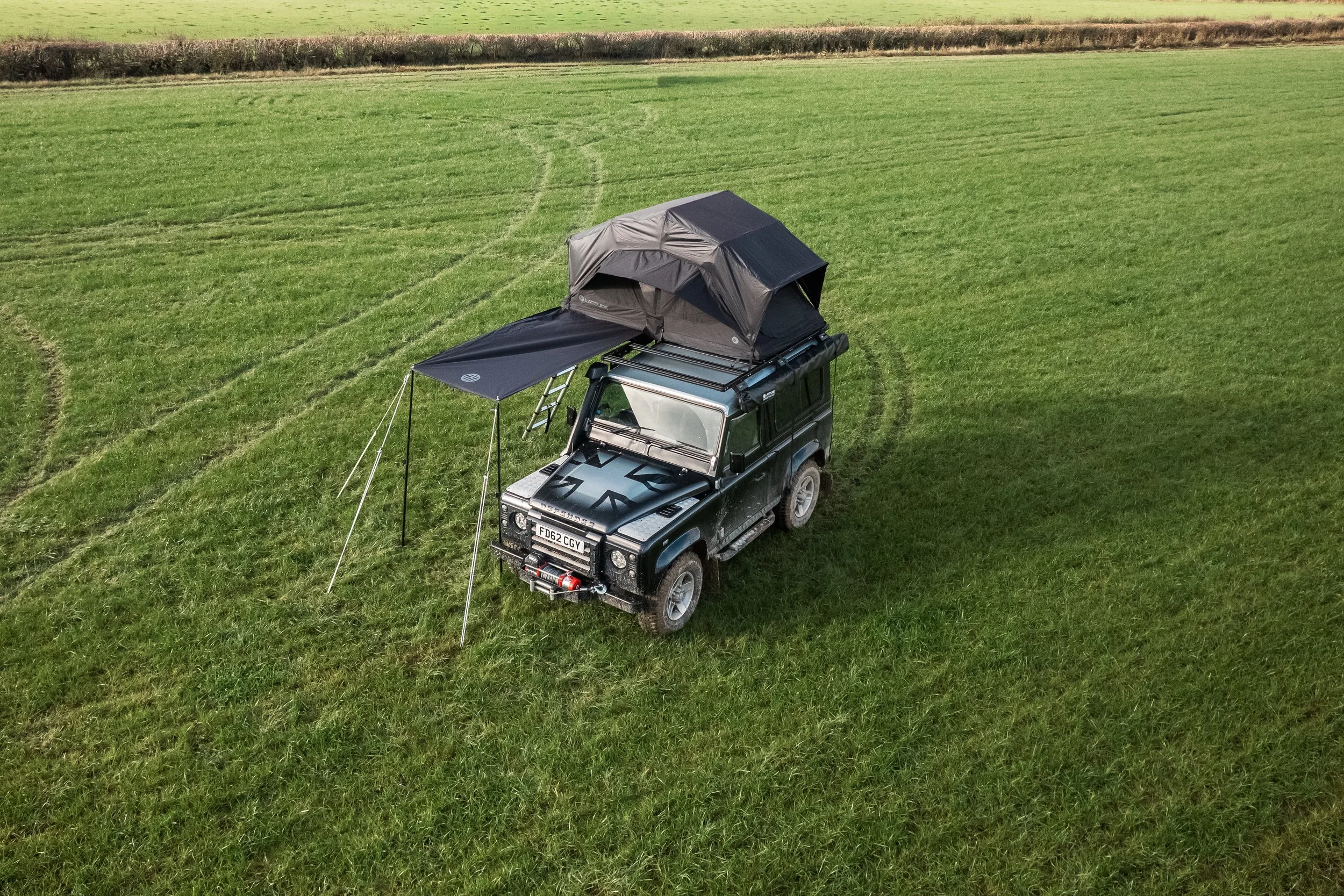
New Defender 90, 110 & 130: Adventure starts at the roof. With the capacity to support a roof tent across the 90, 110 and 130, the New Defender offers a capable foundation for everything from spontaneous escapes to serious overland expeditions. Pair it with the Latitude range and you have a setup built for going further, staying longer and discovering more. Dynamic roof load limit: 80–118 kg.
Roof tent compatibility:
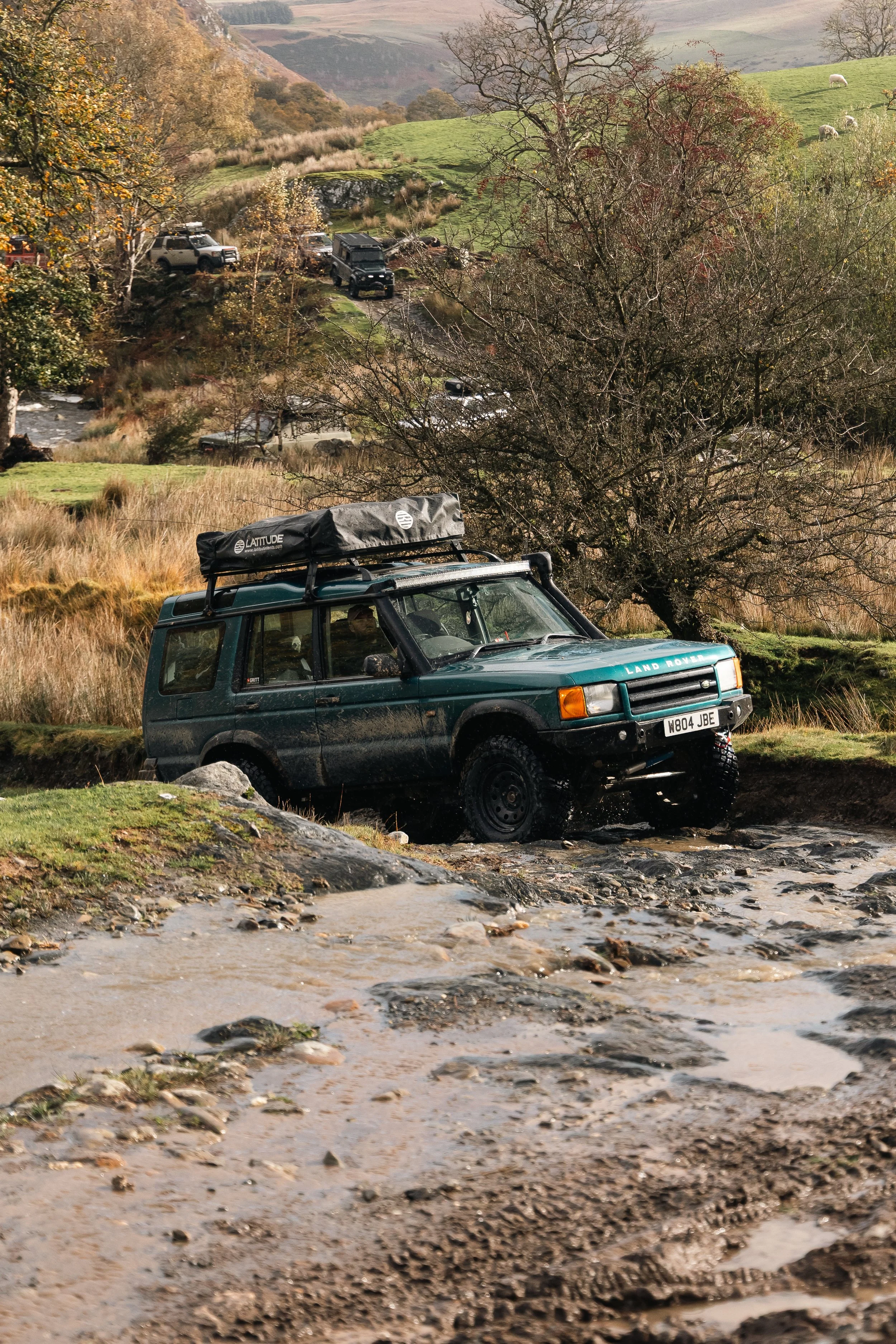
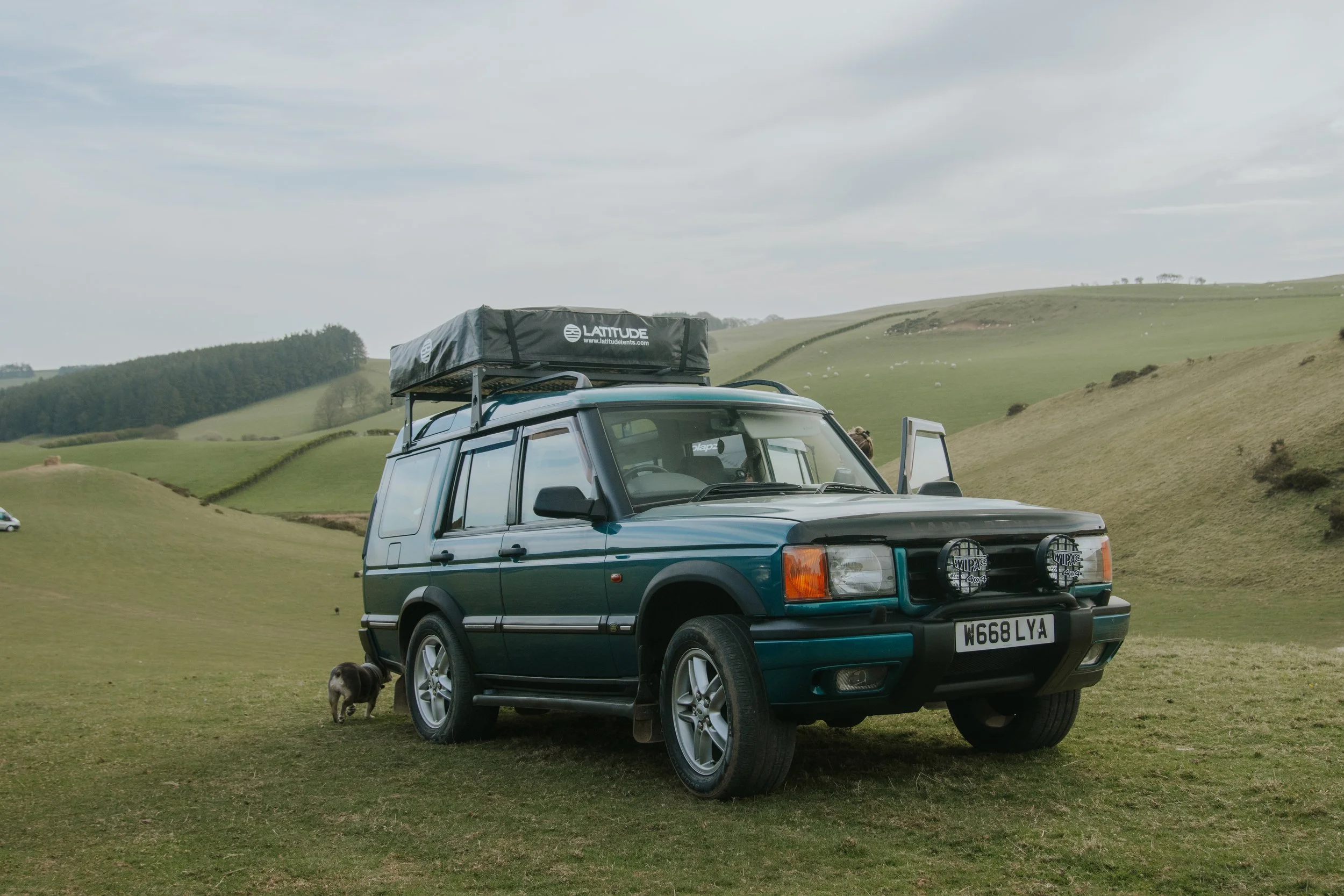
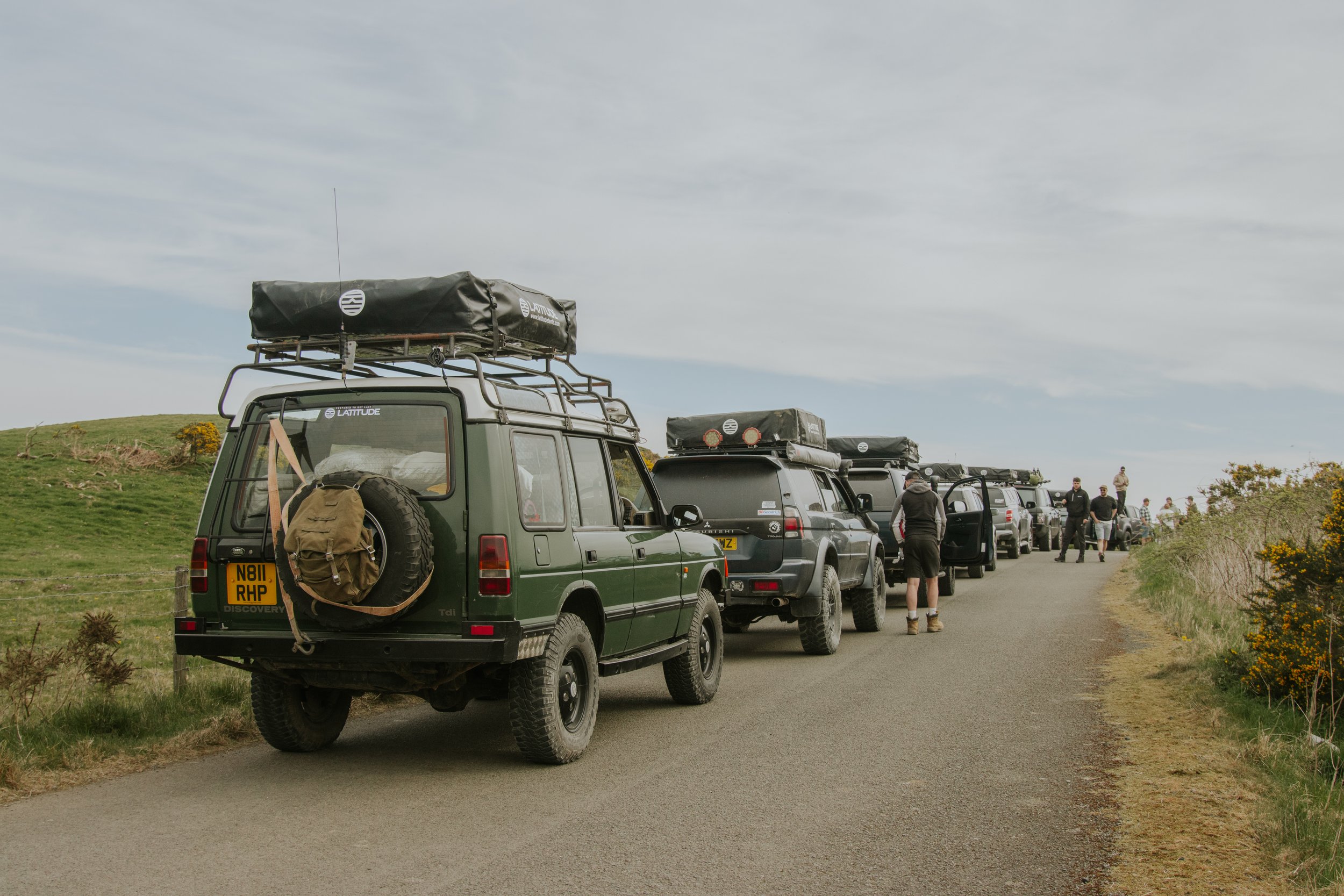
Discovery 2, 3 & 4:
Properly capable off-roaders with the space and practicality to make them just as happy tackling a muddy trail as they are heading off on a family adventure. They’re popular choices for both family trips and solo overlanding, offering a great balance of space, capability and everyday usability. The maximum dynamic roof load is 75kg.
Roof tent compatibility:
Discovery 5:
Bigger, smarter and considerably more tech-focused than its predecessors, the Discovery 5 brings a more modern feel without losing the off-road ability that makes a Discovery a Discovery. With generous interior space and plenty of overlanding potential, it’s a seriously capable platform for longer adventures. The maximum dynamic roof load is 80kg, giving you a little more headroom for your rooftop setup.
Roof tent compatibility:
Discovery Sport
The Discovery Sport is a more compact SUV, with a 75kg dynamic roof load limit. For this reason, a two-person roof tent is the better match.
If you're considering a four-person setup, make sure you confirm your vehicle's specific dynamic roof load limit before ordering.
Roof tent compatibility:
Range Rover Sport
The Range Rover Sport brings together genuine off-road ability with plenty of comfort, making it a great companion for getting off the beaten track. With the option to fit roof bars and a roof tent, it’s well equipped for camping trips, weekend adventures and everything in between.
With a dynamic roof load limit of up to 100 kg, there’s plenty of capacity for a roof tent and the gear that comes with it. So whether you’re escaping for a night under the stars or heading further afield, the Range Rover Sport is ready for the adventure.
Roof tent compatibility:
Range Rover Evoque & Range Rover Velar
For those looking to combine luxury with adventure, the Range Rover Evoque and Range Rover Velar offer a seriously stylish way to escape in comfort. Both are capable of carrying roof-mounted equipment, making them a great option for elevated getaways without compromising on that unmistakable Range Rover feel.
Their dynamic roof load limits are lower than the Range Rover Sport, at approximately 75–78 kg, depending on the model, specification and market. That means it’s important to take into account the combined weight of the roof bars, roof tent and any additional kit you’re planning to carry.
With their beautifully appointed interiors and refined road manners, the Evoque and Velar bring a more luxurious, sophisticated edge to roof-tent adventures — perfect for turning a weekend away into something a little more special.
As always, before fitting a roof tent, check the exact roof-load specification for your individual vehicle, as limits can vary depending on the model year and configuration.
Roof tent compatibility:
Freelander 1 & 2
The Land Rover Freelander is a great vehicle for roof tent camping because it’s compact, capable off-road, and has plenty of ground clearance for getting to more remote campsites. Its 75kg dynamic roof load limit makes it suitable for carrying a roof tent and gear, while its 4WD capability and practical size make it ideal for adventurous camping trips without being too big or cumbersome.
Roof tent compatibility:
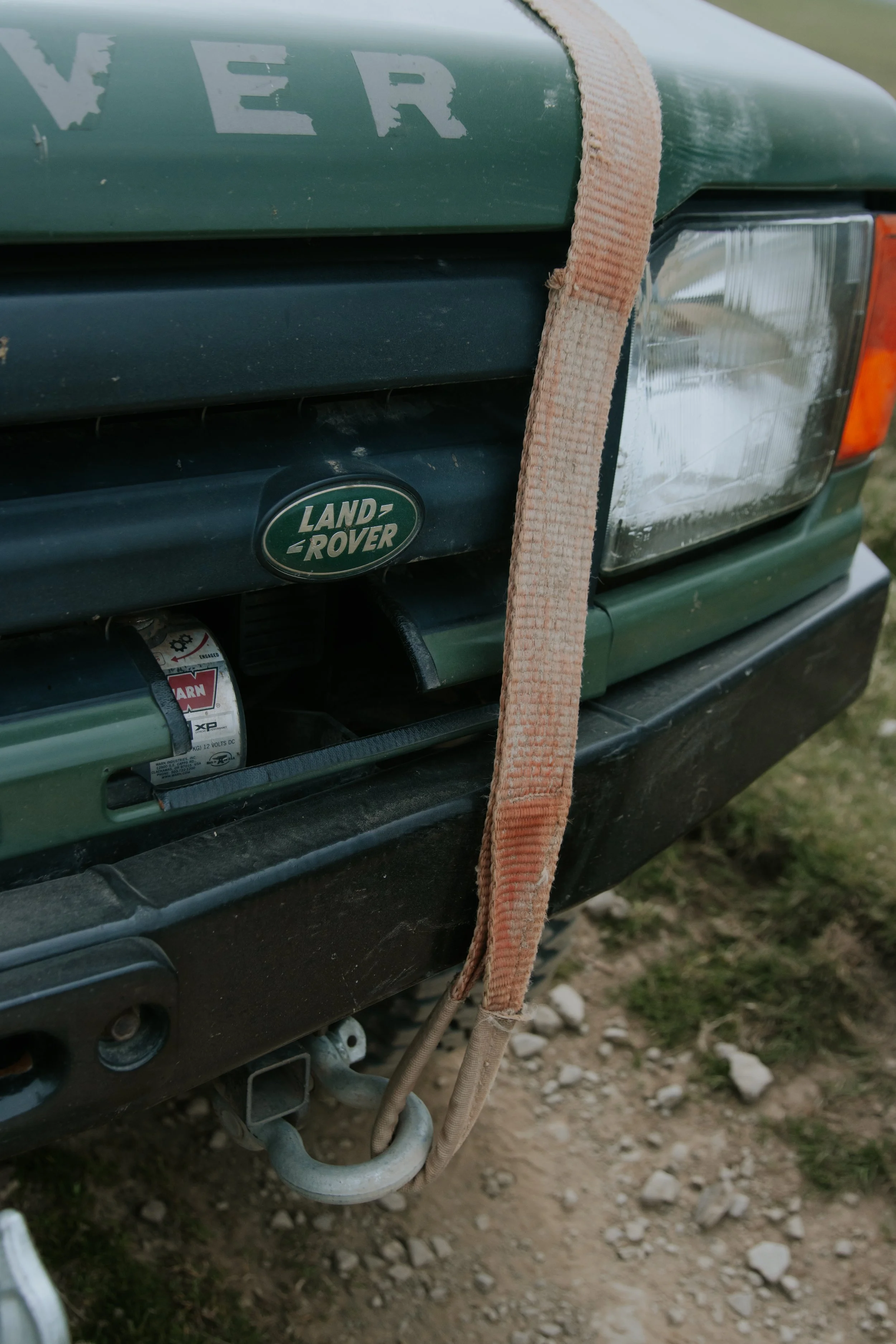
Understanding roof load for Land Rover roof tents
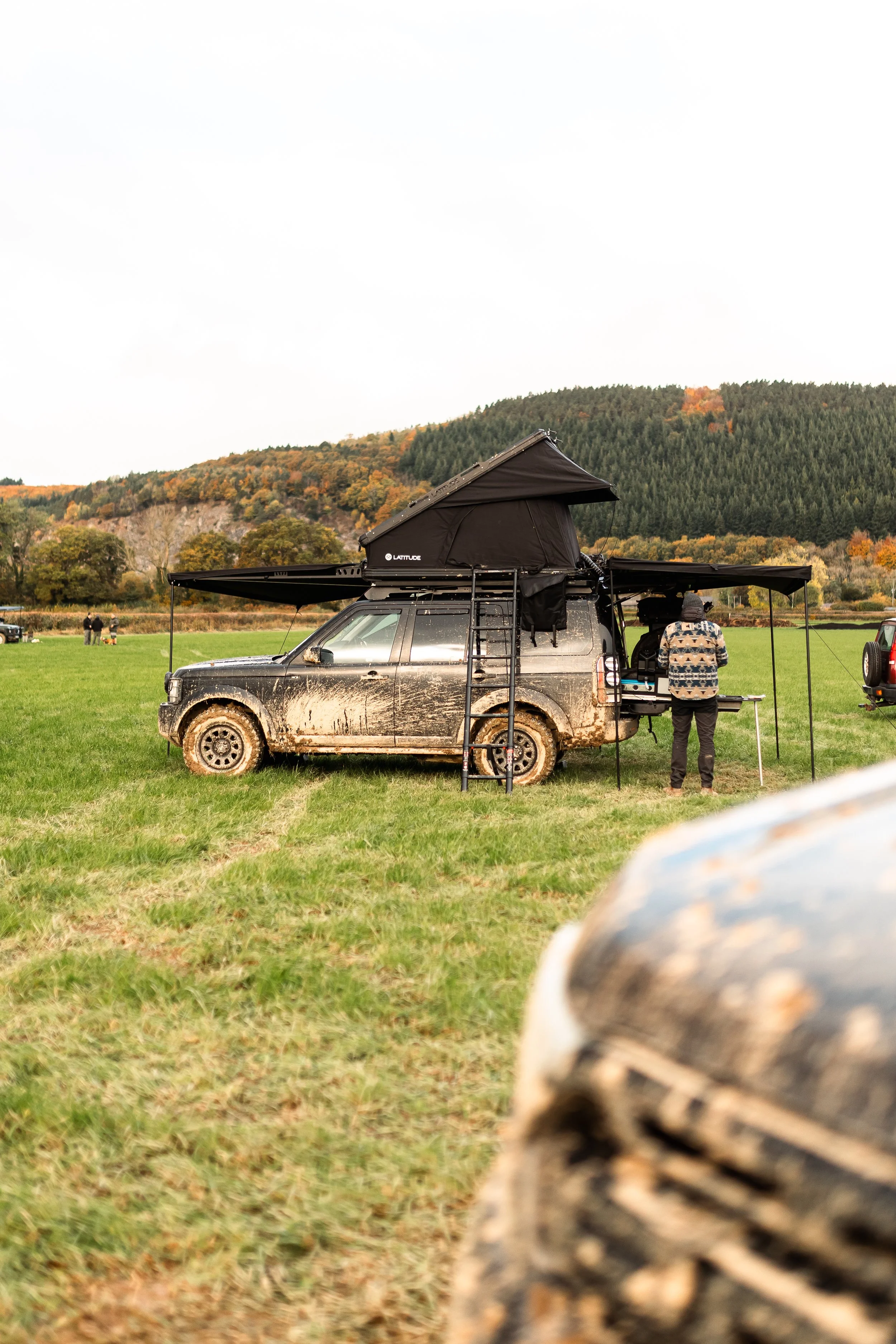
Every roof tent decision for a Land Rover comes down to one distinction: static load versus dynamic load. Static load is what your roof can bear when the vehicle is parked, which is largely irrelevant here. Dynamic load is what it can safely carry while you are driving, and that is the number that actually matters for a roof tent, because you will be driving with it fitted.
You'll find your dynamic roof load figure in your vehicle handbook, usually listed under roof load or luggage carrier capacity. Once you have it, the sum is straightforward: tent weight, plus if you have an awning, needs to sit within that figure. Roof bars carry their own rating too, and that contributes to the total, so check both the vehicle's figure and the bars' rating rather than just one or the other.
Roof bars for Land Rover roof tents
The right roof bars depend on which Land Rover you’re running. Classic Defenders typically use roof racks, with Front Runner and Flat Dog being popular choices, although roof bars can also be fitted.
Newer Defenders have fixed mounting points or built-in roof rails, with Thule roof bars being a common choice. Some newer Defenders also come with the factory expedition roof rack already fitted.
Discoverys and Range Rovers vary depending on specification, with either flush or raised roof rails. However, roof bars are the most common option. The Thule Wingbar Evo is the best option.
Bar spread, the distance between the front and rear bar, also affects which tents sit correctly on your roof. If you're not sure what you're working with, our team can talk you through the right configuration for your specific model and spec.
Hard shell or soft shell: which is right for your Land Rover?
The answer depends on how you use your Land Rover. For overlanding in British conditions, a hard-shell rooftop tent can be the practical choice: it’s quick to set up, easier to pack away in the rain and generally more compact when closed.
For a family staying on a campsite for longer periods, a soft-shell tent may make more sense. You get more sleeping and living space, and the extra setup time matters less when you’re staying put.
There are also a few practical considerations. Hard shells tend to be heavier and more expensive, while soft shells can take longer to dry and pack away after wet weather.
Building a complete Land Rover overland setup
A roof tent solves one problem: where you sleep. It doesn't solve cooking in the rain, having somewhere dry to sit, or illuminating your living space around the vehicle, and that's where an awning earns its place. Fitted to the same roof bars or roof rack, a Wingman awning is a great option. This matters more in Britain than almost anywhere else. Green laning through the Welsh borders, wild camping in Scotland, a wet weekend in Snowdonia: the tent and awning working together as one system is what actually makes those trips comfortable rather than just possible.
Keeping the setup practical for everyday use
The obvious worry is whether a roof tent turns your Land Rover into something you can't use day to day. In practice, a hard shell sits low and flat enough that most owners simply leave it mounted for the season rather than removing it after every trip. When you do want it off, removal takes under an hour and needs no specialist tools.
Get your Land Rover overland-ready
A Land Rover can already go further than most vehicles on the road. The right tent and awning setup is what lets you actually stay there once you've arrived, rather than turning around and driving home. Have a look at our Land Rover awnings, our rooftop tents, or the Latitude Pioneer XL if you want a tent built specifically with the Defender in mind. If you'd rather see everything in person before you commit, our showroom in Frome, Somerset is open, and the team there can talk you through exactly what suits your model.
Frequently asked questions
Can you fit a roof tent to any Land Rover?
Most Land Rovers can take a roof tent with the right bars fitted, but the size you can run depends on the model and your dynamic roof load figure. Defender 110, Discovery 3/4/5 and Range Rover Sport all suit a four-person tent, while Discovery Sport and Freelander 2 are better suited to a two-person option.
Hard shell or soft shell: which is better for a Land Rover?
Hard shell suits frequent moves, off-road driving and everyday practicality. Soft shell suits longer stays, families, and situations where interior space matters more than speed of deployment.
What roof bars do I need for a Land Rover roof tent?
It depends on the model. Classic Defenders typically run aftermarket racks, new Defenders use fixed point systems, and Discoverys and Range Rovers use flush or raised rails depending on spec. Whatever you choose, the bars need to be rated for the combined weight of the tent, bedding and anything stored inside it.
Can I leave a roof tent on my Land Rover all year?
Most owners mount their tent for the season and remove it over winter, though a hard shell or soft shell can comfortably stay on for extended periods if you'd rather not take it off.
Do I need an awning with a Land Rover roof tent?
It's not essential, but a Wingman awning adds covered living and cooking space that makes a real difference on multi-day trips in British weather.
