
The Best Roof Tents for Vans and Campers: Everything You Need to Know
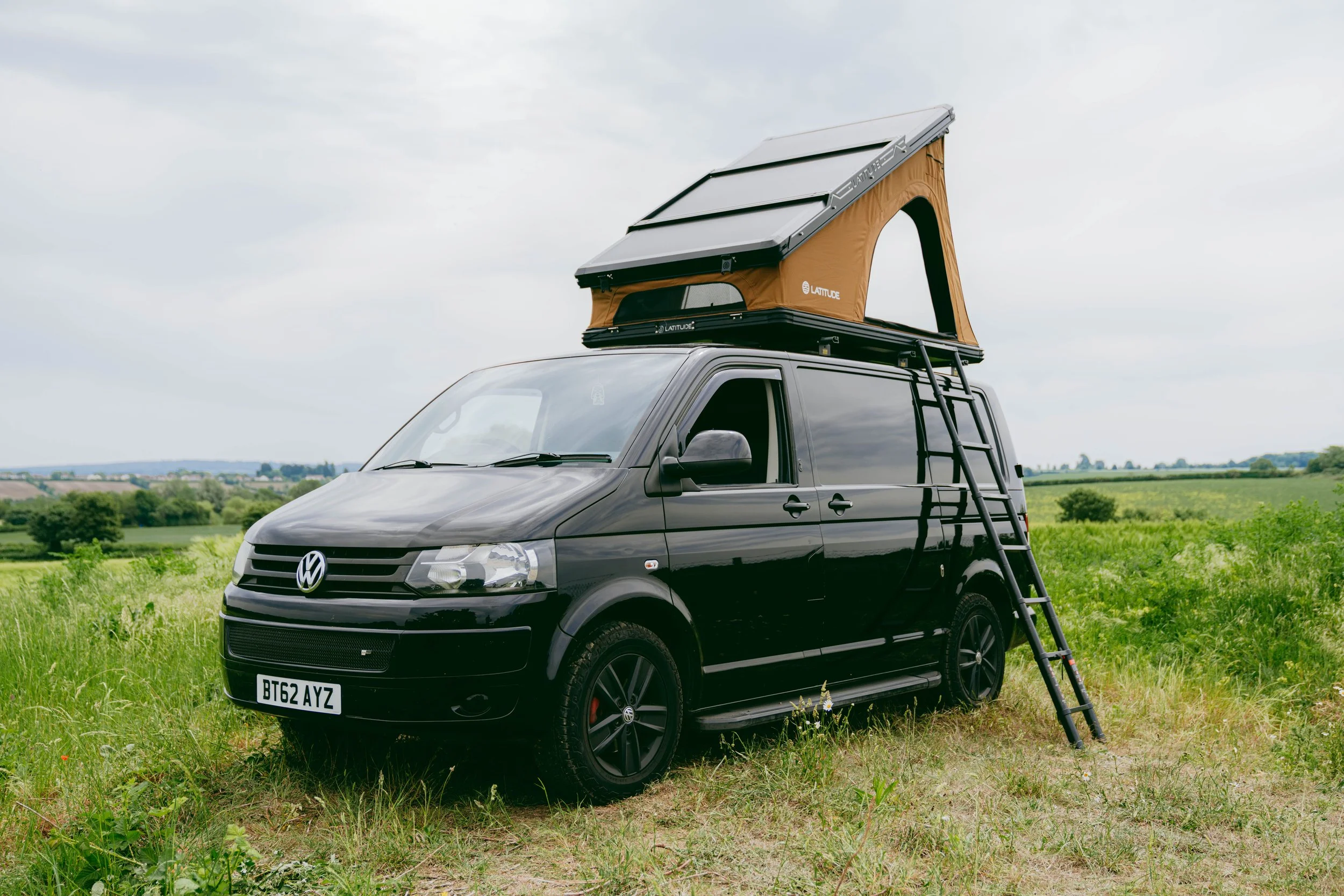
Photo: Latitude Explorer
Adding a roof tent to a van or camper might seem redundant at first glance. After all, you already have a vehicle you can sleep inside?
However, roof tents are a game-changer for mid-sized vans, day vans, and smaller campers. By moving your sleeping quarters to the roof, you instantly open up the entire downstairs area for a full kitchen, a spacious lounge, or heavy gear storage without the massive expense or permanent commitment of a pop-top roof conversion.
If you are looking to elevate your setup, here is everything you need to know to make the right choice.
Hard Shell vs. Soft Shell: The Great Divide
The first big choice you'll face is deciding on the structural style of the tent.
1. Hard Shell Tents
These look like sleek, aerodynamic roof boxes when packed down. Built with heavy-duty aluminium tops, they deploy using gas struts or hydraulic arms.
The Pros: They set up in under 60 seconds. You literally undo a couple of latches and push. They are significantly more wind-resistant and aerodynamic, preserving your van's fuel economy.
The Cons: They have a fixed footprint (they can only be as big as your roof) and tend to be significantly heavier and more expensive.
Best For: Fast-paced road trips, stealth camping, and handling rough weather.
2. Soft Shell Tents
These function more like traditional camping tents that are permanently fixed to a platform on your roof. When parked, they fold out over the side of the vehicle, supported by an extendable ladder.
The Pros: Because they fold out, they can offer double the floor space of a hard shell, often easily sleeping 3 to 4 people. They are also lighter on your wallet and your roof.
The Cons: Setup takes longer (5 to 15 minutes) because you have to pull off a heavy-duty PVC travel cover, fold it out and pop some window poles in (sometimes). They also create more wind drag on the highway.
Best For: Families, longer stays at a single campsite, and anyone on a budget.
The Crucial Math: Roof Load Weights
Before hitting buy, you must check your vehicle handbook for its weight limits. There are two numbers you need to understand, and this is where most beginners get tripped up:
Dynamic Load Limit: The maximum weight your roof can safely carry while the vehicle is moving. This is usually between 50kg and 100kg. Your tent + your roof bars must weigh less than this number.
Static Load Limit: The weight your roof can hold when the vehicle is parked. This is much higher (often 300kg to 400kg+), easily accounting for the weight of the tent, the roof bars, you, anyone that is with you, and your gear.
For example:
The Latitude Pioneer weighs 55kg (Soft shell)
The Latitude Explorer weighs 75kg (Hard shell)
Things to Consider Specifically for Van Placements
Camping on top of a van is slightly different than capping a standard car or 4x4. Keep these three factors in mind:
1. Total Vehicle Height
Vans are already tall. Adding a 30cm thick roof tent can suddenly push you over the limit for standard height barriers at car parks and drive-thrus. If you want to keep a low profile, look for ultra-slim hard shells which sit under 30cm high when closed.
2. Ladder Length
Most roof tents come packaged with a standard telescopic ladder designed for normal cars or mid-sized SUVs. If you are considering a roof tent for a high-roof Ford Transit, Mercedes Sprinter or other tall-roof van, make sure to check the maximum extension of the ladder. You may need to buy a specific ladder extension from the manufacturer to ensure it securely reaches the ground at a safe angle.
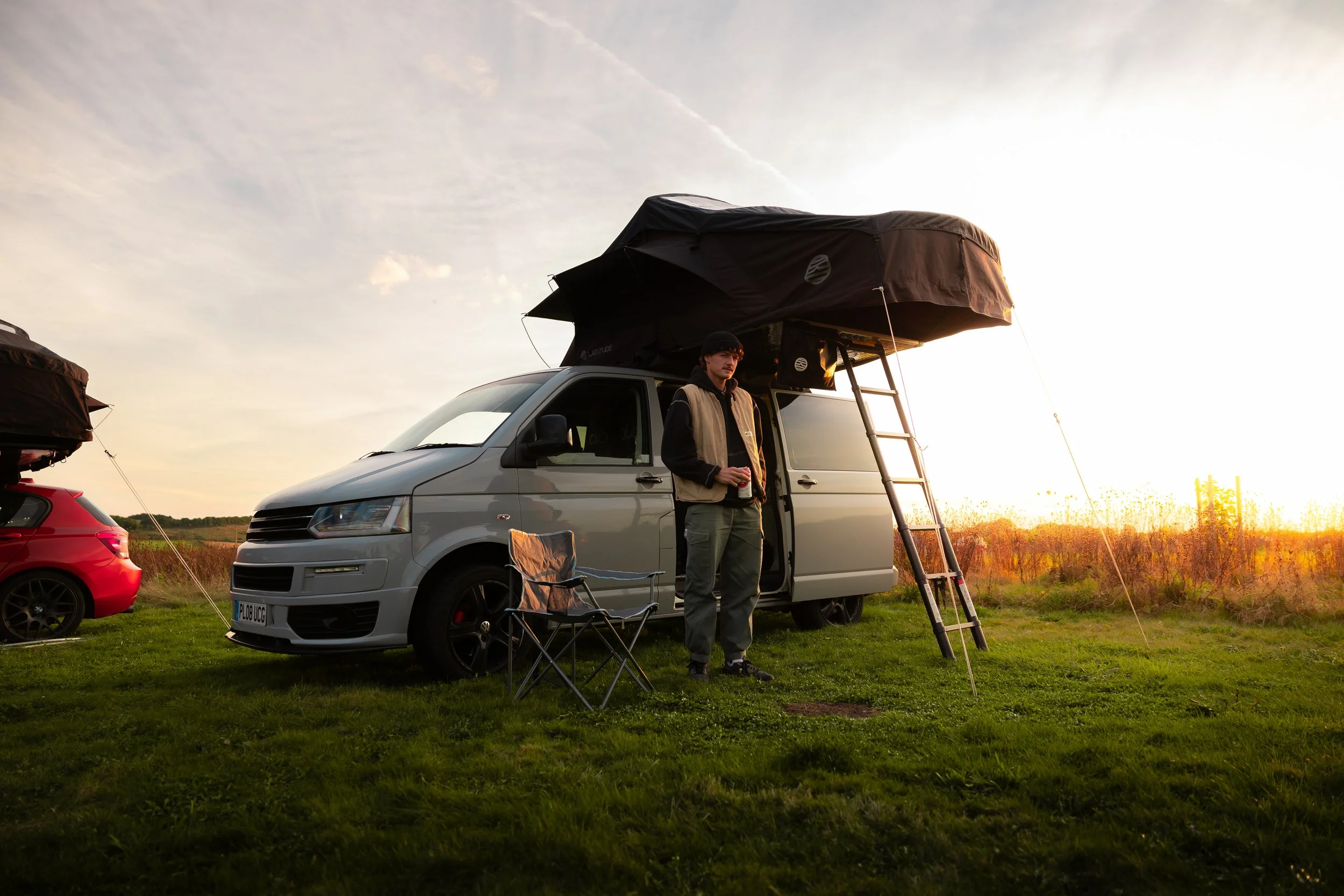
Moving your sleeping quarters to the roof transforms how a van functions. It is one of the smartest ways to scale up your living space without buying a larger vehicle or cutting a hole in the roof!
Here is exactly how a roof tent layout creates extra space, adds a bit of magic for the family, and handles heavy gear.
1. Upgrading to a "Two-Story" Floor Plan
The biggest problem with standard camper vans is the "Tetris effect", which involves constantly moving bags, folding down seats, and rearranging cushions just to transition from daytime driving to nighttime sleeping.
When you put a tent on the roof, you create a dedicated bedroom that doesn't compromise your downstairs layout.
Permanent Living Space: Your van interior can remain fully configured as a daytime lounge or kitchen. Nobody has to clear the table or pack away a half-cooked meal just because someone else wants to lie down.
Massive Storage Wins: If you are a family travelling with clothes, food, and camp chairs, you no longer have to throw those items outside under the van or onto the front seats at night. The entire floor of the van stays open for storage and living.
2. The Ultimate Treehouse for Kids
If you have children, a roof tent stops being just a piece of camping gear and becomes an absolute adventure. Climbing up a telescopic ladder into a cosy, elevated canvas room feels exactly like heading up into a private treehouse.
Many modern hard-shell and premium soft-shell tents feature built-in sky windows or panoramic skylights directly in the ceiling fabric.
3. The Gear-Carrying Powerhouse (Hard Shell Advantage)
Rugged, aluminium hard-shell models completely solve the space problem. Because the top has roof bars integrated.
Modern roof rack setups allow you to stack heavy gear directly on top of or alongside your tent.
Bikes & Kayaks on Top: You can mount standard bike racks or kayak cradles directly to the roof tent lid.
Zero Unloading Needed: Heavy-duty gas struts are built into these tents to assist with the weight. While you should check the manufacturer's specific guidelines regarding maximum opening weights, many high-end systems can easily stay loaded with your bikes or kayaks while you pop the tent open underneath them.
This keeps your dirty, muddy gear entirely outside the van, freeing up every square inch of your interior for comfortable living.
Browse Latitude Tent’s range of Van Roof Tents.
